
Lenders competing in a crowded financial market understand one universal truth: clients expect their money quickly and want repayment options that feel as seamless as any modern digital transaction. Bank delays, card restrictions, and manual processes can easily interrupt the flow of issuing loans and collecting payments. This is why many lenders are turning to ACH transfers as their core method for both disbursements and scheduled repayments.
ACH payment processing allows financial service companies, microlenders, installment loan providers, credit unions, and fintech platforms to operate with far more efficiency than traditional banking systems. When payments move directly between bank accounts, the process becomes predictable, automated, and streamlined from start to finish.
This approach offers reliability not only for the lender but also for the borrower, who benefits from quicker access to funds and simplified repayment journeys. As more lending institutions optimize their operations, ACH is emerging as the backbone of smoother financial interactions.
Why Speed Matters in Loan Disbursement
A borrower waiting on a loan doesn’t see it as a technical process. They simply want confirmation of approval followed by quick access to the funds. The waiting period between approval and delivery often determines customer satisfaction, repeat business, and overall trust in the lending company.
Traditional methods, such as issuing checks or relying on card rails, come with several challenges:
- Processing delays through banks
- Higher fees for instant card transfers
- Manual steps that slow down the workflow
- Increased chances of failed or incomplete transfers
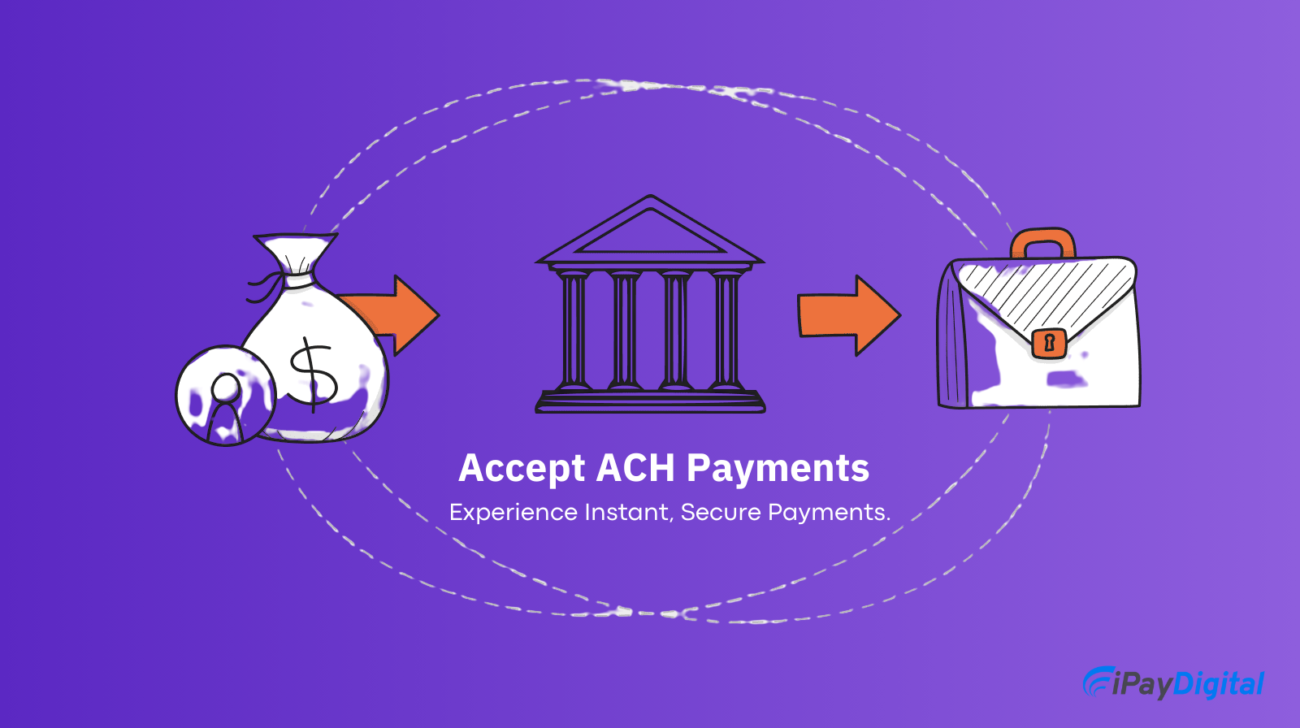
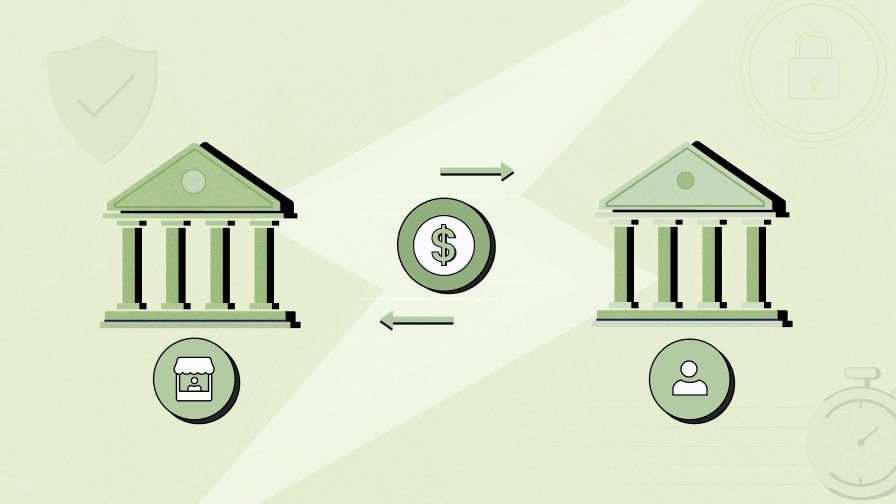
ACH transfers remove these friction points by allowing lenders to push funds directly to a borrower’s bank account. Because the system routes the transaction through the Automated Clearing House network, it eliminates card dependence and avoids costly processing fees.
Borrowers gain faster access to their approved funds, and lenders gain credibility for delivering a smooth experience.
The Role of ACH Transfers in High-Volume Lending
Lenders that process hundreds or thousands of loans daily cannot rely on methods that require manual approvals or that carry high fees. ACH payment processing automates the movement of money at scale, reducing operational strain.
Some advantages include:
- Bulk disbursements executed in a single batch
- Lower per-transaction costs
- Reduced human error due to automated workflows
- Easy integration with loan management systems
Whether it’s a payday lender, personal loan provider, or business lending platform, ACH transfers improve overall throughput and free internal teams to focus on customer support, underwriting, and growth-related tasks instead of repetitive payment tasks.
Simplifying Scheduled Repayments for Borrowers
Managing loan repayments becomes significantly easier when borrowers don’t need to depend on cards, cash, or manual transfers. ACH payment systems allow lenders to automatically pull installment payments from a borrower’s bank account on predetermined dates.
This automation results in:
- On-time payments
- Fewer defaults due to forgotten due dates
- Smoother borrower experience
- Predictable revenue for the lender
Borrowers appreciate predictability, especially when their repayment process feels unobtrusive. With ACH payment handling the recurring withdrawal quietly in the background, they avoid missed payments while maintaining control through clear agreements and schedules.
Reducing Failed Payments and Collection Challenges
Card payments for loan repayment fail more often than ACH transfers due to:
- Expired debit cards
- Banks blocking high-value or repetitive charges
- Card network issues
ACH transfers, in contrast, rely on verified bank accounts, resulting in significantly fewer failures. Once a lender has authorization for ACH payments, the process becomes reliable and consistent.
Fewer failures mean:
- Less time spent chasing overdue borrowers
- Lower collection costs
- Better customer relationships
- Stronger financial forecasting
For lenders in industries with strict compliance requirements, these benefits also mean reduced operational risk.
ACH Transfers and Compliance: A Strong Fit for Financial Institutions
Financial institutions must follow strict rules regarding transaction handling, borrower verification, and data security. ACH payment processing aligns well with these needs because it enforces bank-based verification.
Key compliance-focused benefits include:
- Clear authorization requirements
- Strong tracking and reporting features
- Secure movement of funds
- Transparency for auditors and regulators
The ACH network offers a stable ecosystem that lenders can depend on, especially when scaling their operations and seeking to avoid regulatory pitfalls.
Enhancing Loan Management with Automation
Automation is at the heart of modern financial services, and ACH transfers integrate seamlessly with many loan management software solutions.
Lenders can use automation to:
- Trigger instant disbursements after approval
- Set up recurring payment schedules
- Send reminders before withdrawals
- Track failed payments in real time
- Re-initiate payments using built-in rules
By eliminating manual steps, lenders reduce the time between approval and payout, while also creating structured pathways for repayment.
Lower Fees Without Sacrificing Security
Security is vital when handling financial transactions, but high security shouldn’t come at the cost of inflated processing fees. ACH transfers strike the perfect balance between affordability and protection.
ACH fees are significantly lower than credit card processing fees, which allows lenders to reduce overhead while maintaining a secure environment for funds movement.
This is why ACH is now the preferred solution for many lending institutions looking to scale without facing cost barriers.
Supporting Borrowers Across All Financial Profiles
Borrowers come from diverse financial backgrounds, and not all have reliable access to credit cards. ACH transfers solve this issue by using bank accounts, which are far more widely available and stable.
This inclusivity helps lenders:
- Expand their customer base
- Serve underbanked or credit-limited borrowers
- Reduce dependency on card networks
It also builds trust, as borrowers see that their preferred method of payment aligns with a secure, widely recognized system.
The Impact of ACH Transfers on Business Growth
Lenders that adopt ACH transfers often notice improvements in revenue retention, customer satisfaction, and operational efficiency.
Growth benefits include:
- Faster customer onboarding
- Lower chargeback rates
- Reliable cash flow due to predictable repayment patterns
- Better borrower experiences, leading to more referrals
As lending becomes more competitive, these advantages help institutions stand out and operate with greater stability.ACH transfers have become a cornerstone of modern lending because they create a smoother experience for both borrowers and financial institutions. Faster disbursements and automated repayments keep the loan cycle moving efficiently, allowing lenders to operate with greater confidence and clarity. With the right ACH payment processing partner, the lending workflow becomes simpler, faster, and better aligned with the expectations of today’s borrowers.