
Smooth, reliable fund disbursement is essential for any business that pays contractors, vendors, affiliates, employees, members, or service partners. Yet many companies still struggle with delayed payouts, card network restrictions, high transaction fees, or unpredictable bank policies. For industries that manage high-volume or frequent disbursements, the stakes are even higher: every delay affects operations, trust, and satisfaction.
This is where eCheck deposits and ACH transfers become valuable tools—providing secure, low-cost, and highly predictable payout methods that bypass card limitations. These banking-based payment solutions offer better control over cash flow and reduce errors, processing delays, or chargeback exposure. Across finance, retail, tech, services, logistics, affiliate networks, and high-risk industries, businesses are shifting toward ACH and eCheck for fast, dependable fund distribution.
Understanding how these two methods work—and how they transform the payout experience—gives businesses more flexibility in building efficient financial systems that support long-term growth.
Why Traditional Payout Methods Fall Short
Many organizations still rely on checks, wires, or card-based payouts, but each brings challenges:
- Paper checks are slow, prone to loss, and expensive to manage.
- Wire transfers are fast but high in fees and not ideal for large volumes.
- Card payouts depend on processors that may restrict certain industries.
- PayPal and other wallets impose conditions that may disrupt high-risk businesses.
When a business handles frequent, repeating payouts—commissions, salaries, supplier payments, settlement distributions, reimbursements, incentives—traditional methods can quickly become inefficient.
Bank-based digital transfers, particularly ACH transfers and eCheck payouts, streamline operations in ways card processors cannot.
What Makes eCheck Deposits Ideal for Business Payouts?
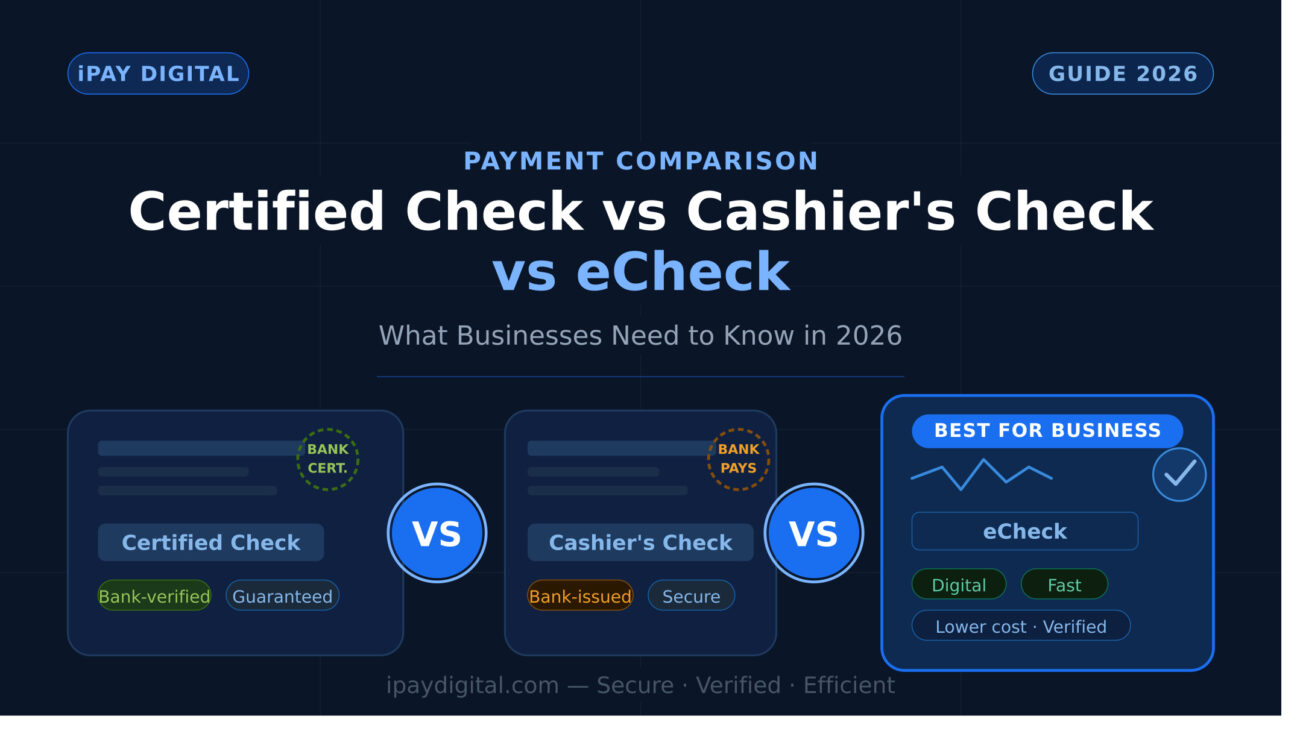
An eCheck deposit works like a digital version of a paper check. Instead of physically writing and mailing a check, the payment is executed electronically through the ACH network.
For businesses, eCheck deposits offer several advantages:
1. Lower Fees and Higher Cost Efficiency
Compared to wire transfers or card transactions, eChecks are significantly cheaper. For companies handling bulk payouts, even small savings per transaction can translate into substantial cost reductions.
2. Direct-to-Bank Delivery
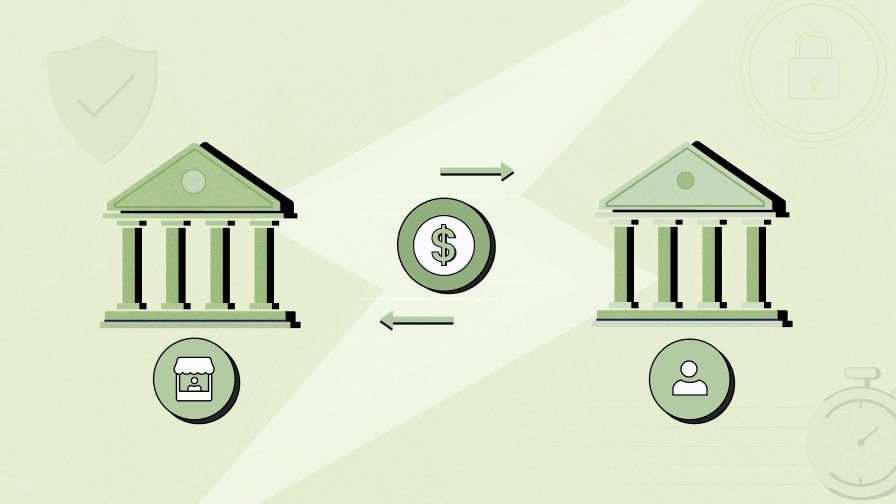
Funds go straight from the business’s account to the recipient’s bank. There’s no dependency on card issuers or third-party wallets. This improves acceptance rates and reduces payout complications for contractors and vendors who prefer direct bank transfers.
3. Reduced Fraud and Chargeback Risks
eChecks provide enhanced security compared to paper checks and have stricter verification processes. Since they’re processed through the ACH network, fraud attempts are easier to detect, and disputes are less frequent than card-related chargebacks.
4. Ideal for Recurring Payouts
For businesses that issue regular payments—affiliates, service providers, gig workers, or subscription-based partners—eChecks streamline the entire cycle. Automated scheduling ensures consistent, reliable disbursements without manual effort.
The Strength of ACH Transfers for Secure Payouts
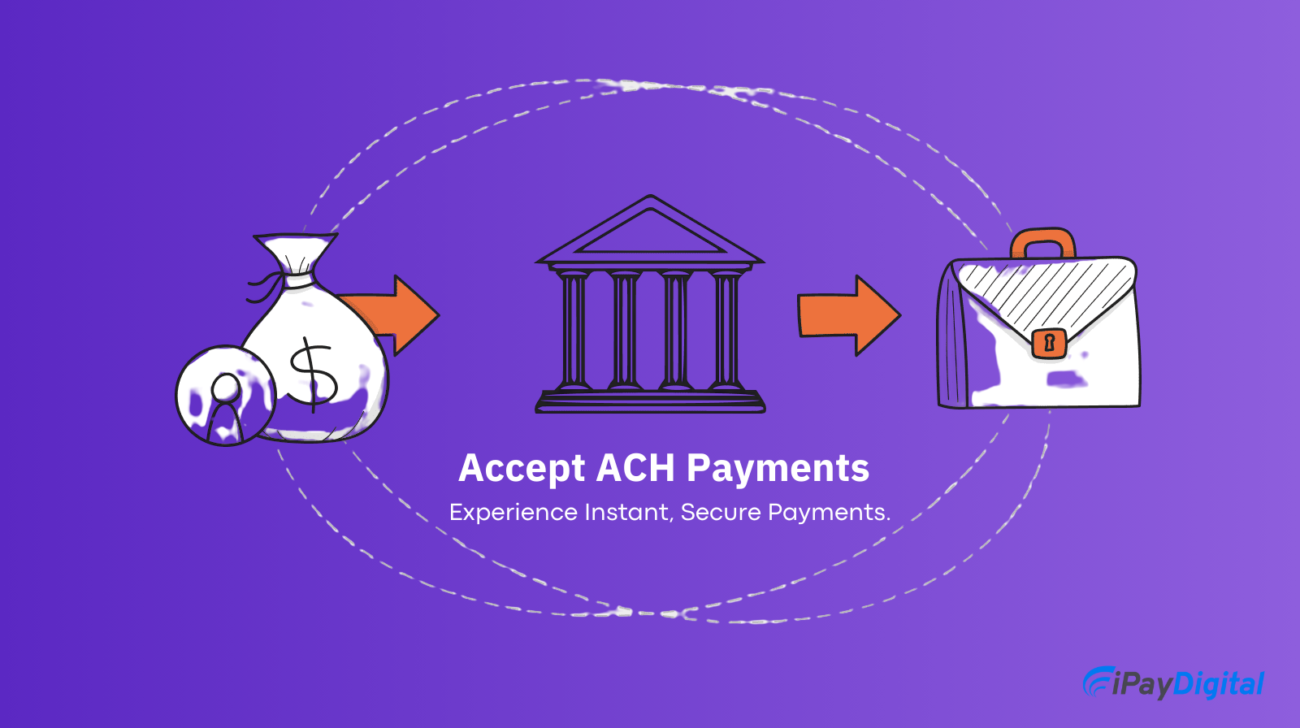
ACH transfers form the backbone of digital banking in the United States. They move funds between bank accounts with strong oversight and stable processing rules. For businesses, ACH transfers support:
- recurring payments
- bulk payout batches
- vendor payments
- high-value transfers
- salary disbursements
- settlement distributions
Since ACH operates independently from the card networks, it avoids many of the restrictions businesses face with credit card processors.
1. Consistent Processing and Predictable Timelines
ACH transfers follow clear processing windows. Companies know exactly when funds will move and when recipients will receive payouts. This predictability supports better cash flow management, payroll accuracy, and vendor coordination.
2. Multi-Industry Compatibility
ACH is accepted across industries, including those considered high-risk by card processors. Whether a company handles financial services, CBD sales, memberships, high-ticket transactions, digital services, or gig-work payouts, ACH transfers remain fully functional.
3. Lower Error Rates and High Reliability
ACH systems verify account details before processing, reducing payment failures. The network’s built-in validation contributes to higher accuracy compared to manual checks or wallet-based payouts.
4. Efficient for High-Volume Payouts
Businesses with hundreds or thousands of monthly disbursements benefit from batch processing. ACH allows bulk payouts in a single submission—saving administrative time and reducing operational strain.
Why Businesses Combine eCheck Deposits and ACH Transfers
Although both methods run through the ACH network, eCheck and ACH operate differently enough that businesses use them together for maximum efficiency.
eCheck deposits are ideal for:
- sending payouts where traditional check workflows previously existed
- recipients who prefer check-style documentation
- large-value transfers that require additional verification
- reducing risk of card network interference
ACH transfers are ideal for:
- recurring weekly or monthly payouts
- payroll cycles
- commissions, incentives, and affiliate payments
- vendor and contractor payments
- bulk disbursement programs
When businesses integrate both options, they create a payout ecosystem that minimizes friction and maximizes reliability.
Industries That Benefit Most from ACH and eCheck Payouts
Some sectors rely heavily on high-volume payouts and therefore benefit more from secure bank-based transfers.
1. Affiliate & Influencer Networks
Frequent commission payouts demand low-cost, scalable systems. ACH and eCheck support recurring schedules without high transaction fees.
2. Logistics, Transportation & Delivery Services
Independent drivers and carriers depend on timely disbursements. ACH ensures predictable weekly or monthly payments.
3. Professional Services and Contract Work
Consultants, freelancers, and contractors experience smoother payments with ACH transfers compared to card-based or manual systems.
4. eCommerce & Subscription Businesses
Recurring payouts to suppliers, partners, and refund cycles become more manageable with automated ACH systems.
5. High-Risk Industries
Businesses facing card restrictions—including CBD, supplements, credit repair, online coaching, and digital products—use eCheck and ACH to avoid processor shutdowns.
6. Real Estate, Property Management & Leasing
Regular vendor payments, tenant refunds, owner payouts, and maintenance fees move more reliably via ACH.
7. Settlement & Legal Distribution Companies
Bulk payment cycles become more streamlined with ACH batch payouts.
8. Finance & Lending Companies
Loan disbursements and repayments rely heavily on ACH systems due to accuracy and predictability.
Improving Cash Flow Through Faster, Stable Payout Methods
Efficient payout systems aren’t just a financial tool—they influence brand reputation, operational consistency, and business scalability. Switching to eCheck deposits and ACH transfers helps companies:
- eliminate delays caused by card restrictions
- reduce dependency on third-party wallets
- streamline accounting workflows
- enhance recipient satisfaction
- maintain consistent cash cycles
- reduce operational costs
With predictable processing windows and direct-to-bank transactions, businesses gain a more reliable foundation for managing growth and maintaining trust.
Strengthening Security with Verified, Bank-Level Payments
eChecks and ACH transfers include built-in verification layers, including:
- account validation
- routing number checks
- fraud monitoring systems
- funds availability checks
- automated dispute review
These safeguards significantly reduce payout failures and protect the business from potential losses.
Building a Future-Proof Payout Strategy
As digital banking evolves, eCheck deposits and ACH transfers remain among the most stable and widely accepted payout solutions. They align with modern business needs—speed, affordability, bank-level security, and multi-industry compatibility.
Companies that integrate these systems position themselves for long-term financial stability, smoother workflows, and stronger relationships with vendors, partners, contractors, and employees.
A professional payout system does more than move money; it reinforces trust and enhances the reliability of the business itself.